What is Intracranial Hemorrhage?
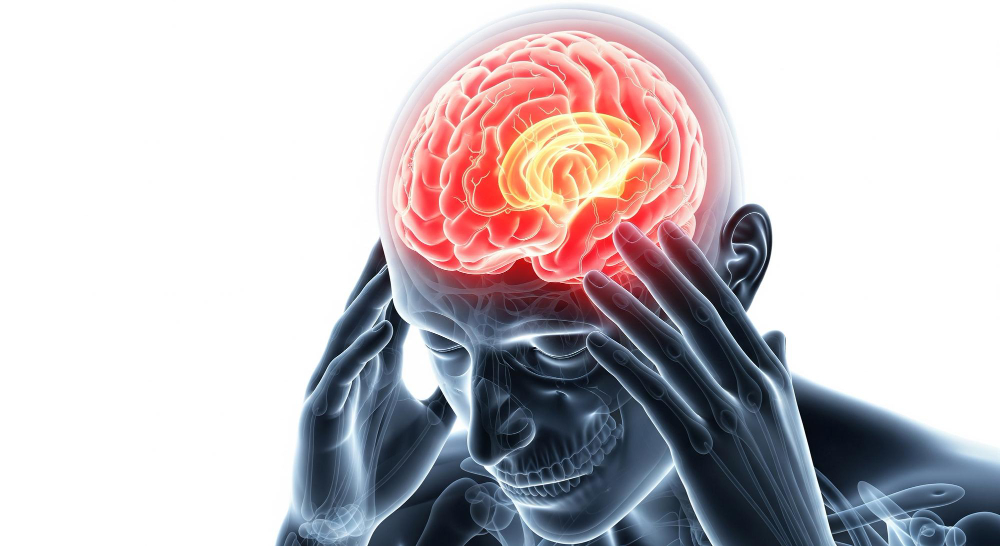
Intracranial hemorrhage is a type of brain bleed. It happens when blood leaks inside the skull. This can put pressure on the brain. As a result, it can cause serious health problems. Early detection is important because a life-threatening brain bleed needs quick treatment.
Common Causes of Intracranial Hemorrhage
Many things can cause an intracranial hemorrhage. Some causes are sudden, while others build up over time. For example, a strong blow to the head can lead to bleeding. But, certain health conditions also raise the risk. Here are some common causes:
According to the World Health Organization (WHO), high blood pressure is a leading cause of brain bleeds worldwide.
Types of Intracranial Hemorrhage
There are different types of brain hemorrhage. Each type depends on where the bleeding happens in the brain. Understanding these types can help you know the risks and signs.
Each type can be dangerous, but some are more likely to become life-threatening than others.
Signs and Symptoms to Watch For
Recognizing the signs of intracranial hemorrhage early can save lives. Symptoms may appear suddenly or develop over hours. For instance, you may notice:
If you or someone else has these symptoms, seek medical help right away. Quick action can make a big difference.
When Does Intracranial Hemorrhage Become Life Threatening?
Not all brain bleeds are the same. However, some can quickly become life-threatening. For example, if the bleeding is large or fast, it can cause the brain to swell. This puts pressure on vital areas. As a result, it may stop the brain from working properly. Signs that a brain bleed is life-threatening include:
According to the Centers for Disease Control and Prevention (CDC), fast treatment is key to survival.
Diagnosis and Immediate Steps
If a doctor suspects an intracranial hemorrhage, they will act quickly. First, they will ask about symptoms and any recent injuries. Next, they may order a brain scan, such as a CT scan or MRI. These tests show where and how much bleeding has occurred. While waiting for results, doctors may give oxygen or fluids to help the patient. In some cases, they may give medicine to lower blood pressure or stop seizures.
Treatment Options
Treatment depends on the type and size of the brain bleed. For small bleeds, doctors may watch closely and give medicine. But, larger or life-threatening brain bleeds often need surgery. Treatment options include:
After treatment, many people need rehabilitation to regain lost skills. This may include physical therapy or speech therapy.
Prevention and Lifestyle Tips
Although not all brain bleeds can be prevented, you can lower your risk. Here are some helpful tips:
In summary, making healthy choices can protect your brain and lower your risk of intracranial hemorrhage.
If you notice any symptoms of intracranial hemorrhage, consult a neurologist at Narayana Neuro Clinic for personalized guidance.