What is Cerebral Palsy?
Cerebral Palsy is a group of conditions that affect movement, balance, and posture. It often begins in early childhood. Because it is a neurodevelopmental disorder, it affects how the brain controls muscles. Many children with cerebral palsy have trouble with movement and coordination. According to the CDC, it is the most common motor disability in childhood. Although symptoms can vary, most children show signs early in life.
Common Symptoms and Signs
Children with cerebral palsy may show different symptoms. However, some signs are more common than others. Early signs often appear before a child turns two years old. For example, some children may be slow to reach movement milestones, such as sitting or walking. Others may have stiff or floppy muscles. In addition, some children may show unusual movements or poor balance.
Not every child will have all these symptoms. Yet, noticing them early helps families seek support sooner.
Causes and Risk Factors
Cerebral palsy happens when the brain develops abnormally or gets damaged. This damage can occur before, during, or after birth. Often, the exact cause is not known. Still, several risk factors can increase the chance of cerebral palsy.
Because some causes can be prevented, regular prenatal care is important. According to the World Health Organization (WHO), early care can lower some risks.
How Cerebral Palsy is Diagnosed
Doctors use several steps to diagnose cerebral palsy. First, they check a child’s movement, muscle tone, and reflexes. Next, they may ask about the child’s birth and medical history. Sometimes, doctors use brain scans, such as MRI or CT, to look for brain changes. In addition, they may order blood tests to rule out other conditions. Early diagnosis helps children get the support they need sooner. The CDC recommends regular check-ups for children who are at higher risk.
Movement and Developmental Challenges
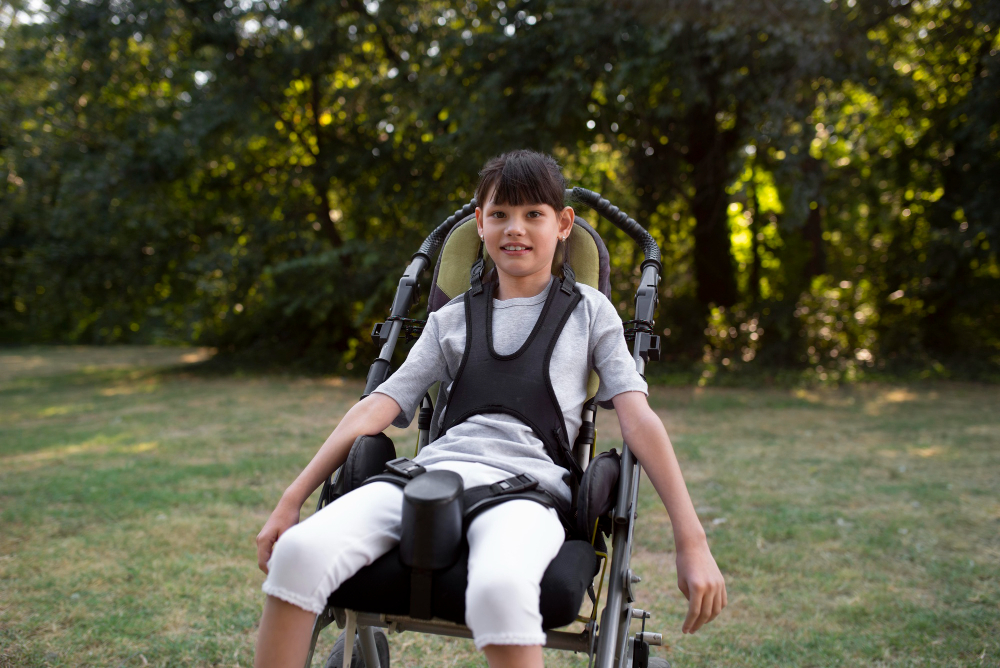
Cerebral palsy affects each child differently. Some children have mild movement problems, while others need more help. For example, many children have trouble walking or using their hands. Others may have speech or learning delays. Because of these challenges, children may need extra time to learn new skills. In some cases, children may use wheelchairs or braces to move around. However, with the right support, many children can join in daily activities.
Because every child is unique, treatment plans are tailored to their needs.
Treatment Options and Therapies
Although there is no cure for cerebral palsy, many treatments can help. Early therapy can improve movement, speech, and daily skills. Doctors often create a team approach, including therapists, doctors, and teachers. In some cities, families can find specialized cerebral palsy treatment centers.
Because each child’s needs are different, treatment plans are reviewed often. According to the CDC, starting therapy early gives the best results.
Daily Life and Lifestyle Guidance
Living with cerebral palsy can bring daily challenges. However, many children lead happy, active lives with the right support. Parents and caregivers can help by creating safe spaces and routines. In addition, joining support groups can offer helpful advice and comfort. Schools can provide special education services to help children learn. Many families also work with therapists to set goals and track progress.
Because every child is different, families may need to try different strategies. Over time, children can gain more independence.
Prevention and Early Intervention
While not all cases of cerebral palsy can be prevented, some steps can lower the risk. For example, getting regular prenatal care helps spot problems early. Vaccines can protect against infections that may harm the baby’s brain. After birth, using car seats and preventing injuries can also help. If a child shows signs of movement delays, early intervention is key.
For treatment consult and expert at Narayana Neuro Clinic