Introduction
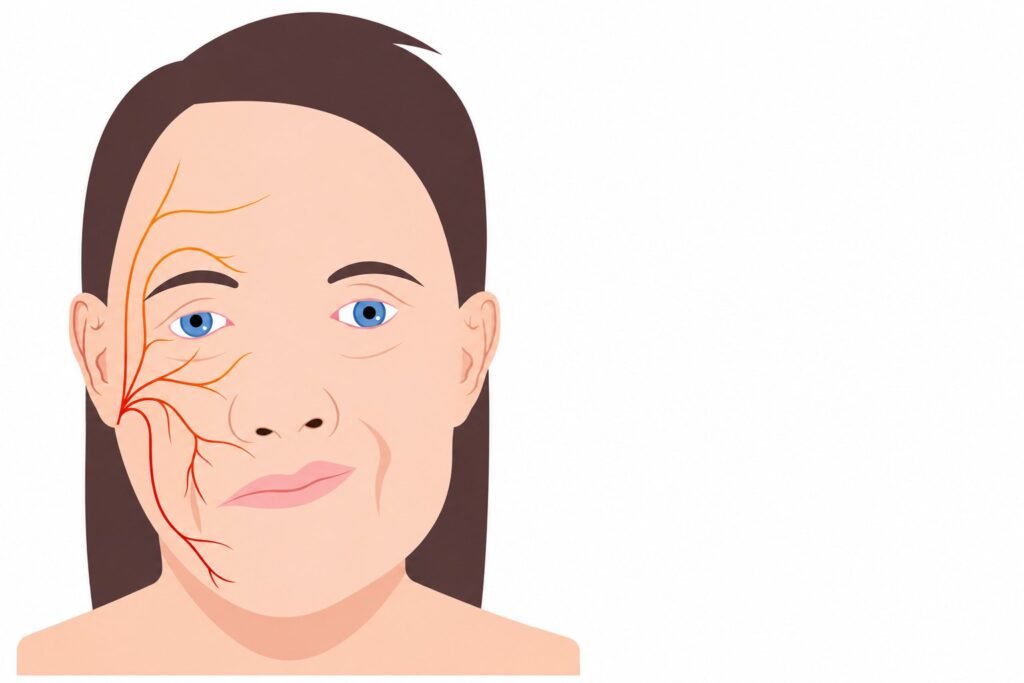
Hemiplegia is a condition where one side of the body becomes weak or paralyzed. Usually, it affects the arm, leg, and sometimes the face on the same side. Because it can make daily tasks hard, hemiplegia has a big impact on a person’s life. For many, simple actions like walking or holding objects become difficult. However, with the right care, people can improve their quality of life. In this blog, you will learn about hemiplegia causes, symptoms, diagnosis, and treatment options.
Causes of Hemiplegia
Many health problems can lead to hemiplegia. Often, the main cause is a stroke. But, there are other reasons as well. Knowing the cause helps doctors choose the best treatment for hemiplegia.
According to the World Health Organization (WHO), stroke remains the top cause worldwide.
Common Symptoms
Hemiplegia symptoms can appear suddenly or develop slowly. Usually, they affect one side of the body. Early signs are important to notice, as quick action can help recovery.
Sometimes, people also feel tired or have trouble with memory. If you notice these hemiplegia symptoms, seek medical help right away.
Diagnosis Methods
Doctors use several tests to diagnose hemiplegia. First, they ask about your symptoms and medical history. Then, they check your strength, reflexes, and movement. Next, they may order tests to find the cause.
Early diagnosis is key for better treatment for hemiplegia.
Treatment Options
Treatment for hemiplegia depends on the cause and how severe the symptoms are. Usually, a team of doctors, therapists, and nurses work together. Early treatment can help improve movement and daily life.
According to the CDC, starting rehab early gives the best results.
Lifestyle Tips for Living with Hemiplegia
Living with hemiplegia can be challenging. However, many people find ways to adapt and stay active. With support, you can improve your daily life.
Remember, small changes can make a big difference in living with hemiplegia.
Prevention and Risk Reduction
While not all causes of hemiplegia can be prevented, you can lower your risk. For example, managing health problems and making healthy choices helps.
By taking these steps, you can reduce your risk of stroke and other causes of hemiplegia.
Conclusion
Hemiplegia can change your life, but early care and support help many people recover. If you or someone you know has symptoms, do not wait. Consult a neurology specialist Dr. Narayana Neuro Clinic for personalized advice.