What is a Spinal Cord Injury?
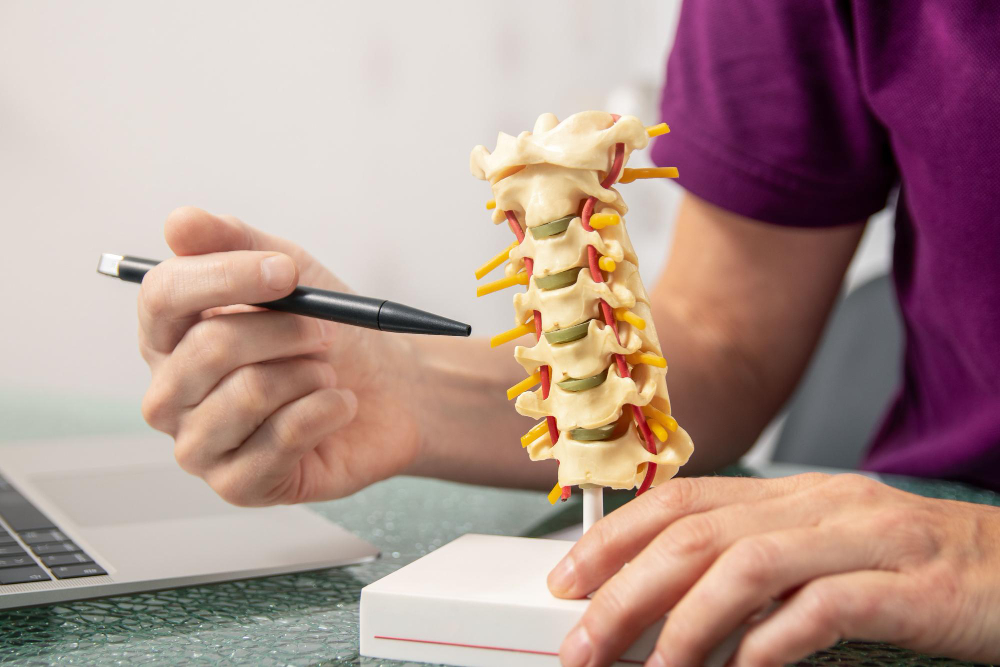
A spinal cord injury happens when damage occurs to the spinal cord. This can affect movement, feeling, or other body functions. Because the spinal cord carries messages between the brain and body, any injury can have serious effects. For many people, a spinal cord injury changes daily life. However, with the right care, recovery is possible.
Common Causes of Spinal Cord Injury
There are several causes of spinal cord injury. Some are sudden, while others develop over time. Understanding these causes can help prevent injuries.
Because many injuries are preventable, knowing the risks is important.
Recognizing Symptoms
Symptoms of spinal cord injury depend on where and how severe the damage is. Early signs can help you seek help quickly. For example, you may notice:
If you notice these symptoms after an accident, seek medical help right away.
Diagnosis and Medical Evaluation
Doctors use several steps to diagnose a spinal cord injury. First, they check your symptoms and medical history. Next, they may do a physical exam. Often, imaging tests help confirm the injury. These tests include:
Because early diagnosis is key, doctors act quickly to prevent further damage.
Treatment Options
Treatment for spinal cord injury starts as soon as possible. Early care can reduce long-term problems. Common treatments include:
After the first treatment, ongoing care helps with spinal cord injury recovery. This may include physical therapy, occupational therapy, and counseling.
Recovery and Rehabilitation
Recovery from a spinal cord injury can take time. However, many people improve with the right support. Rehabilitation helps you regain strength and skills. For example, you may work with:
Because every injury is different, your recovery plan will be unique. Staying active and positive can help your progress.
Prevention Tips
Although not all spinal cord injuries can be prevented, you can lower your risk. Here are some tips:
Because prevention is better than cure, these steps can protect you and your loved ones.
When to See a Doctor
If you or someone you know has a sudden loss of movement, feeling, or control after an accident, seek emergency help right away. Even if symptoms seem mild, early care can make a big difference. For ongoing symptoms or questions about spinal cord injury recovery, consult a specialist.
For personalized advice on spinal cord injury recovery, consult at Narayana Neuro Clinic.