
Introduction
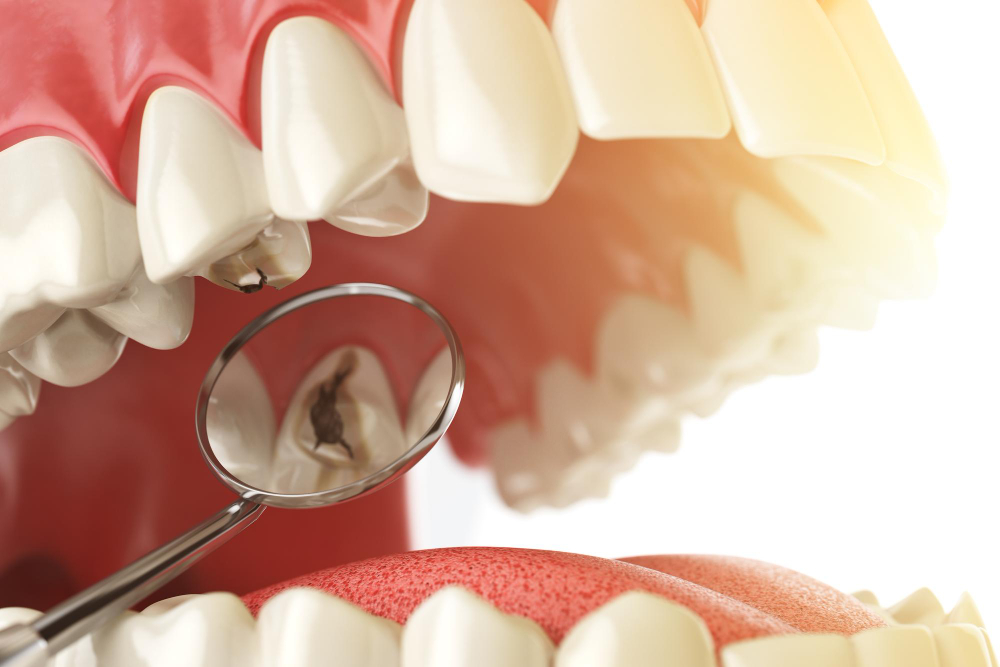
Cavities are small holes in your teeth caused by tooth decay. Dental fillings are a common way to fix these holes. Early treatment is important because untreated cavities can lead to pain and bigger dental problems. In this blog, you will learn when cavities need dental fillings, signs you need a dental filling, and the best cavity treatment options.
Symptoms of Cavities
Sometimes, cavities do not cause pain at first. However, you may notice some signs. For example, you might feel:
Because cavities can get worse over time, it is important to watch for these symptoms. If you notice any of them, you should see a dentist soon.
Causes and Risk Factors
Cavities form when bacteria in your mouth produce acids. These acids slowly break down the outer layer of your teeth. There are several reasons why cavities develop. For instance, you may be at higher risk if you:
Even though anyone can get cavities, children and older adults are more likely to develop them.
When Do Cavities Need Treatment?
Not all cavities need immediate treatment. However, most do require dental fillings once the decay reaches the inner layers of the tooth. You should consider treatment if:
Because early treatment can prevent bigger problems, it is best to get dental fillings as soon as your dentist recommends them. Waiting too long may lead to infection or tooth loss.
Types of Dental Fillings
There are several types of dental fillings. Each has its own benefits. For example:
Your dentist will help you choose the best filling based on your needs and budget.
Diagnosis: How Dentists Identify Cavities
Dentists use several methods to find cavities. First, they will look at your teeth during a dental exam. Next, they may use X-rays to see hidden decay. Sometimes, they use special tools to check for soft spots. Because early detection is key, regular dental visits are important.
Treatment Process: What to Expect
Getting a dental filling is a simple process. Here is what usually happens:
After the procedure, you may feel mild sensitivity. However, this usually goes away in a few days.
Prevention Tips for Cavities
While dental fillings can fix cavities, it is better to prevent them. You can lower your risk by:
Because prevention is easier than treatment, these habits can help keep your teeth healthy.
Frequently Asked Questions
Conclusion
In summary, dental fillings are a safe and effective way to treat cavities. Early treatment can prevent pain and protect your teeth. If you notice signs of cavities, consult a dentist at Haripriya Multispecialty Dental Hospital for personalized advice. Regular checkups and good oral care can help you avoid future problems.